Checking out the Science Behind Car Ceramic Coating and Its Safety Properties
The science of car ceramic coating provides an interesting study in innovative vehicle protection. Composed mainly of silicon dioxide and polymers, these coverings form a durable bond with car paint. This communication improves toughness against ecological threats while using hydrophobic advantages. The details of how these layers job and their lasting benefits continue to be less understood. Ceramic Coating Newark. Unboxing these details discloses why ceramic finishings are becoming a recommended choice for car care
What Is Ceramic Coating?
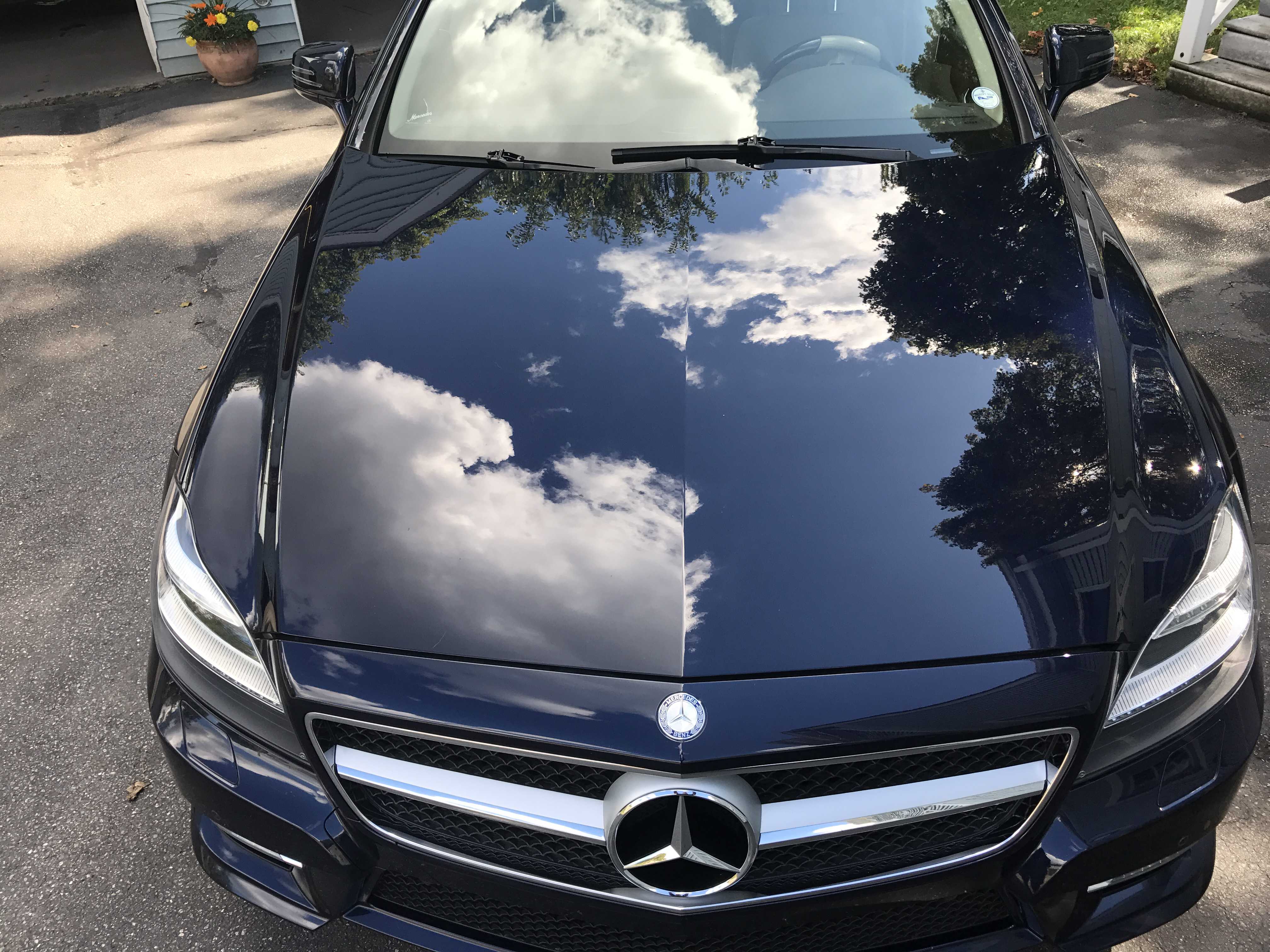
Ceramic coating is a liquid polymer that chemically bonds to the surface area of a car's paint. This advanced safety layer enhances toughness and uses premium resistance to ecological aspects. Unlike conventional wax or sealers, which provide temporary defense, ceramic layers produce a resilient shield that can endure harsh problems such as UV rays, acidic pollutants, and severe weather condition. When used appropriately, the coating creates a hydrophobic surface, creating water to bead and slide off, which aids in preserving the automobile's tidiness. Additionally, it uses boosted gloss and depth to the paint, making the automobile show up even more polished and dynamic. The application process usually entails extensive surface area prep work, consisting of cleaning and sprucing up, to assure peak bonding. As a result, ceramic finishes are coming to be significantly preferred amongst car fanatics and those seeking to protect their investments, promising to preserve the car's visual appeal while lowering the frequency of upkeep.
The Make-up of Ceramic Coatings
The elaborate formula of ceramic finishings largely consists of silicon dioxide (SiO2), which is originated from all-natural resources like quartz and sand. This key element provides the structure for the coating's resilience and safety top qualities. Along with SiO2, ceramic finishes frequently consist of numerous polymers and ingredients that enhance bond, versatility, and resistance to ecological variables. These compounds work synergistically to produce a durable obstacle versus impurities such as dirt, chemicals, and UV rays.Furthermore, some formulas integrate titanium dioxide (TiO2) or other nanomaterials, which can increase the coating's hydrophobic homes, leading to better water repellency. The accurate structure can differ significantly among makers, influencing efficiency and longevity. Ultimately, the combination of these elements finishes in a safety layer that not just improves the aesthetic charm of cars but additionally offers to prolong their life-span by protecting the surface from possible damages.
Just How Ceramic Coatings Job
Understanding how ceramic finishings work includes exploring their chemical composition, which adds to their safety qualities. The application procedure is vital for achieving suitable outcomes, while longevity and longevity elements establish the coating's efficiency with time. With each other, these components highlight the benefits and efficiency of ceramic finishings for automobile defense.
Chemical Make-up Explained
While many car proprietors look for lasting security for their automobiles, the chemical composition of ceramic coverings plays an important role in their effectiveness. These coverings mostly contain silicon dioxide (SiO2), which is stemmed from natural minerals. This substance develops a strong bond with the car's paint, producing a durable, safety layer. Furthermore, many ceramic layers include titanium dioxide (TiO2), boosting their hydrophobic buildings and resistance to UV rays. The existence of polysiloxanes can even more enhance adaptability and longevity. Together, these aspects contribute to the coating's capability to drive away water, dirt, and impurities, while also supplying a high-gloss coating. Understanding this chemical foundation aids car proprietors value the robust security provided by ceramic finishes.
Application Refine Overview
Applying ceramic coverings entails a meticulous process that guarantees suitable bonding and security for the vehicle's surface. Complete cleaning and decontamination of the car's outside are carried out to eliminate dust, grime, and previous waxes. This action confirms that the surface is devoid of contaminations that might impede adhesion. Following this, the paint is usually brightened to enhance quality and eliminate any type of blemishes. As soon as prepared, the ceramic coating is used in little areas making use of an applicator pad, enabling uniform protection. The coating is after that delegated cure, creating a solid chemical bond with the surface. Appropriate curing times and problems are important, as they verify the coating achieves its maximum efficiency and protective qualities.
Long Life and Durability Aspects
Ceramic layers are designed to provide durable protection with their innovative chemical make-up, which creates a robust barrier versus ecological contaminants. The sturdiness of these coverings is affected by factors such as the density of the application, the high quality of the item, and the conditions under which the lorry is revealed. High-quality ceramic layers can last numerous years, withstanding scrapes, UV rays, and chemical stains. Correct maintenance, including regular cleaning and periodic reapplication, can better boost longevity. Additionally, ecological elements look at this site like environment and exposure to toxins can impact the life-span of the coating. Overall, when used and maintained appropriately, ceramic finishings provide remarkable toughness, making them a preferred selection for car fanatics looking for to preserve their vehicle's appearance.
Hydrophobic Residences and Water Repellency
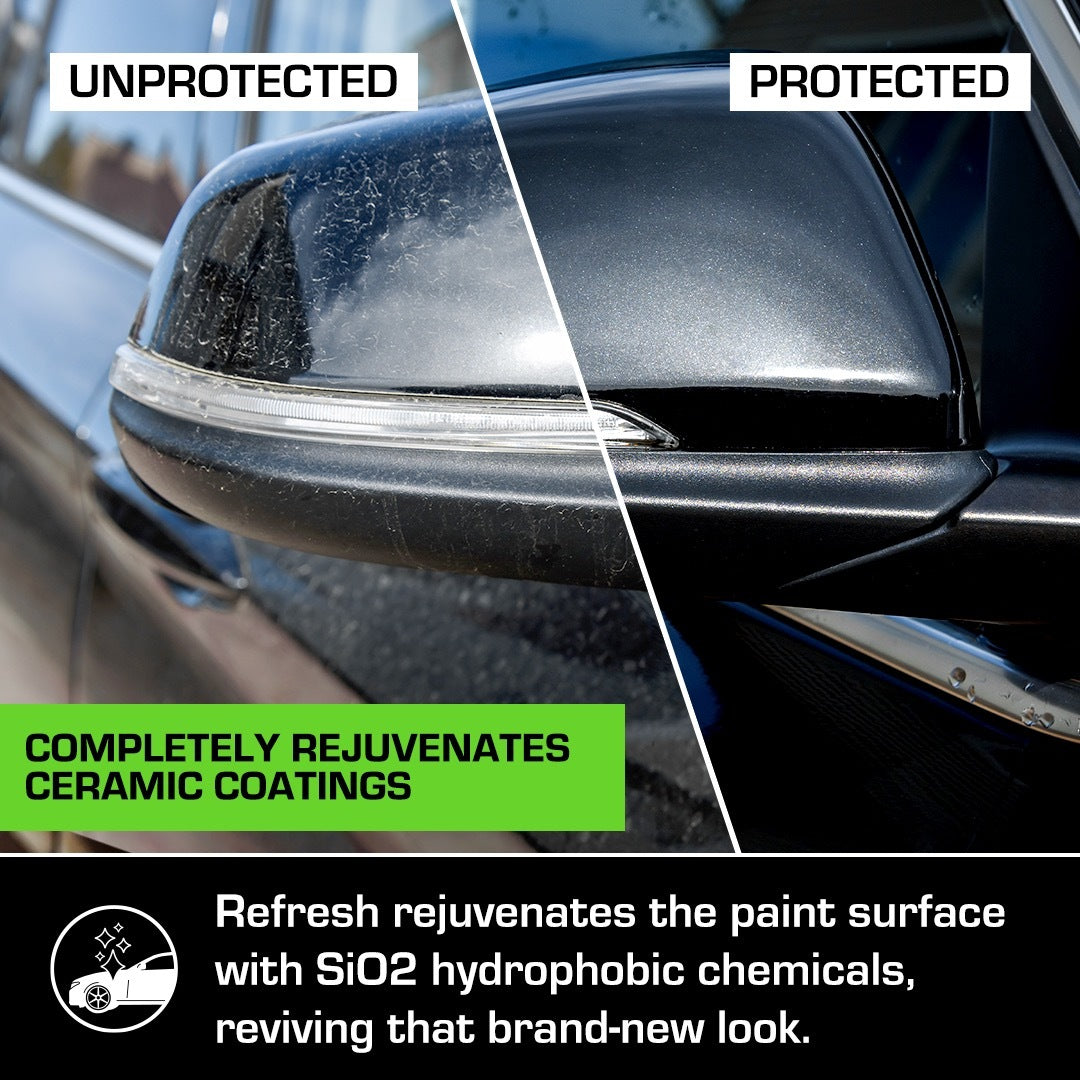
Hydrophobic properties are a hallmark of quality car ceramic finishings, considerably enhancing the car's surface performance. These finishings create a molecular bond with the car's paint, resulting in a surface area that fends off water successfully. When water enters into call with a ceramic-coated surface, it beads up and rolls off, decreasing the quantity of fluid that stays on the paint. This behavior not just adds to an aesthetically pleasing appearance yet additionally reduces the accumulation of pollutants such as dirt, gunk, and roadway salts.The enhanced water repellency causes much easier cleaning and maintenance, as much less effort is required to eliminate unwanted compounds. Additionally, the hydrophobic nature of ceramic finishes aids in avoiding water spots, which can mar the finish of uncoated surfaces. Overall, the incorporation of hydrophobic homes in ceramic finishes plays an essential duty in keeping the lorry's excellent appearance while simplifying maintenance.
Defense Versus Scratches and UV Damages
Car ceramic coatings use significant security against scratches and UV damages. The scratch resistance system develops a durable layer that absorbs you can check here influences, while the UV securing benefits help keep the automobile's paint integrity gradually. Together, these attributes add to a longer-lasting and visually enticing surface.
Scratch Resistance Device
Utilizing sophisticated modern technology, ceramic layers offer a robust shield versus scrapes and UV damage, improving the durability and look of vehicle surface areas. The scrape resistance device of these coverings is credited to their one-of-a-kind molecular structure, which develops a durable bond with the automobile's paint. This bond creates a hard, protective layer that can take in impacts and withstand abrasions. In addition, the smooth surface of the coating minimizes rubbing, making it difficult for contaminants to adhere and create scratches. The chemical make-up of ceramic finishings typically includes nanoparticles that reinforce the protective layer, further enhancing its strength. Consequently, lorries treated with ceramic coatings exhibit considerably boosted scrape resistance compared to conventional wax or sealers, ensuring a pristine surface gradually.
UV Shielding Perks
The protective qualities of ceramic coverings expand past scrape resistance to include significant UV protecting advantages. These finishings produce a durable barrier that mirrors unsafe ultraviolet rays, guarding the automobile's paint and underlying products. Long term direct exposure to UV radiation can cause fading, oxidation, and degeneration of the paint finish. By incorporating ceramic layers, lorry owners can efficiently reduce these risks, maintaining the aesthetic appeal and honesty of their autos. In addition, the UV blocking buildings add to enhanced long life, minimizing the regularity of repainting and maintenance. Eventually, the assimilation of ceramic finishings supplies a thorough solution for safeguarding automobiles from the destructive impacts of sun exposure, making certain a sustained, dynamic appearance over time.
The Long life and Upkeep of Ceramic Coatings
Regularly Asked Inquiries
Can Porcelain Coating Be Applied to Any Sort Of Vehicle?
Ceramic coating can be put on numerous sorts of vehicles, including cars and trucks, vehicles, and motorcycles. Surface prep work and compatibility with details products are essential for optimal bond and effectiveness of the coating.
Just How Much Does Ceramic Coating Usually Price?
Ceramic coating commonly costs between $500 and $2,000, depending upon variables such click for source as automobile size, coating quality, and specialist application. The investment can provide long-lasting security and enhance the automobile's look over time.
Is Specialist Application Needed for Finest Results?
The requirement of expert application typically depends upon desired results. Specialists commonly ensure correct surface area prep work and application techniques, bring about excellent bonding and durability of the coating, which might be challenging for unskilled people to attain.
Can Porcelain Coatings Be Eliminated or Fixed?
Ceramic finishings can be removed or fixed, though the process might call for certain solvents or methods - Ceramic Coating Newark. Correct elimination is important to avoid damage to the underlying surface area, stressing the significance of professional support for optimal results
Exactly How Does Ceramic Coating Contrast to Typical Wax?
The comparison between ceramic coating and conventional wax discloses that ceramic coatings provide exceptional resilience, boosted security versus ecological impurities, and longer-lasting sparkle, while wax requires more constant application and offers less general resistance to damage.